James Family Archives
• Researching the Past
• Education for the Present
• Preservation for the Future
![wp10_wp39d0d8d7[1].png](_wp_generated/wp10_wp39d0d8d7[1].png)
![wp10_wp49a82e55[1].png](_wp_generated/wp10_wp49a82e55[1].png)
![wp10_wpad784a43[1].png](_wp_generated/wp10_wpad784a43[1].png)
![wp10_wpfbe98973[1].png](_wp_generated/wp10_wpfbe98973[1].png)
![wp10_wp00d50912[1].png](_wp_generated/wp10_wp00d50912[1].png)
![wp10_wp1387ad45[1].png](_wp_generated/wp10_wp1387ad45[1].png)
![wp10_wp5e41c6bd[1].png](_wp_generated/wp10_wp5e41c6bd[1].png)
![wp10_wp4efebdb4[1].png](_wp_generated/wp10_wp4efebdb4[1].png)
THE RADNORSHIRE SOCIETY TRANSACTIONS 43
THE LOAN TO KING CHARLES I IN RADNOR-
SHIRE, 1625
(Crown-
H. M. Stationery Office)
The following document (B.M. Add. MSS. 11291 f. 107) is a transcript of the original entries presented to the Court of Exchequer made in 1835. It contains the names of the persons in Radnorshire suggested as contributors to a Loan to King Charles I, and the amounts they were respectively invited to pay. In every case this was £10. The total amount Radnorshire raised was £570, the second highest of all the Welsh counties; Denbigh the highest, raising £605, with Brecon the lowest at £225.
James Price, Esq
John Bradshaw, Esq
James Price of Pilleth, Esq
Richard Jones, Esq
John Lloyd, Esq
Will. Vaughan, Esq
Evan Vaughan, Esq
James Phillips, Esq
Cha : Willms, Esq
Hugh Lloyd, Esq
Griffith Jones, Esq.
Phillip Taylor of Dolley
Hugh Lewis of Combe Evan Dee
Rich. Res of Burhope
Hugh Lewis of Hindwall
John Gittoes of Evengeob
John Miles of the same
David ap Rosser of Nantmelan
Oliver Colerick of the same
David Griffith Powell
Hugh Griffith ap Harry
James Dun of Llansantred
John ap Rees ap Robt of Rhulen
Edward ap John of Glascomb
James ap David of the same
Rich. Gwyn of the same
Tho : ap John Tho. of the same
Tho : Baskerville the elder, gent.
Evan ap Hugh of Llandilo
Hugh Griffith of the same
Collected by Brian Crowther, Esq. And Robert Collis of Presteigne
(Hereford).
A. D. POWELL
The James Family’s Loan to King Charles I in 1625
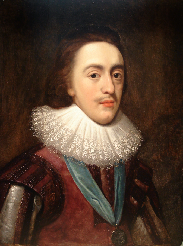
On March 27, 1625 King Charles I (1600-
____________________________________________________________________________________________________
From 1642 King Charles I fought the armies of the English and Scottish parliaments in the English Civil War. After his defeat in 1645, he surrendered to a Scottish force that eventually handed him over to the English Parliament. Charles refused to accept his captors' demands for a constitutional monarchy, and temporarily escaped captivity in November 1647. He was again apprehended and imprisoned on the Isle of Wight from where he forged an alliance with Scotland. By the end of 1648 Oliver Cromwell's New Model Army had consolidated its control over England. Charles I was tried, convicted, and executed for high treason in January 1649. The monarchy was abolished and a republic called the Commonwealth of England was declared without the landed gentry of Radnorshire ever being repaid their loan to Charles I. The monarchy would eventually be restored to Charles's son, Charles II, in 1660 but apparently King Charles II was not beholden to the debts of his late father...
____________________________________________________________________________________________________
____________________________________________________________________________________________________
Updated: February 23, 2026
Howell Prosser of Glasburie
John Watkin Phillip of the same
Evan John ap Hugh of Llowes
Xtopher Hanley of Knighton
William Carter of the same
John Ward of Llanbadarn Fynidd
John Jauncey of Llanbister
John ap Richard of the same
Robt. Ap Jenn of Llandewy
Will. Mantle of Llanbister
John Wilson of the same
Roger ap Oliver of Llanhangell
rydithon
Ja. ap Edward of Blethvagh
Ja. Rees of Whitton
John ap Jenn Mredith of Llan-
drindod
Phillip Kynwin of Llanbadarn
Faur
David ap Howell Moris of St
Harmon
Steph. Powell Goch of Comotither
Lewis ap Rees Tho of the same
Rees ap John Wyn of the same
Tho ap Meredith of the same
Lewis Morgan of the same
Hugh Gwin of the same
John Perce of Rayader hundred
David Morris of Llanire