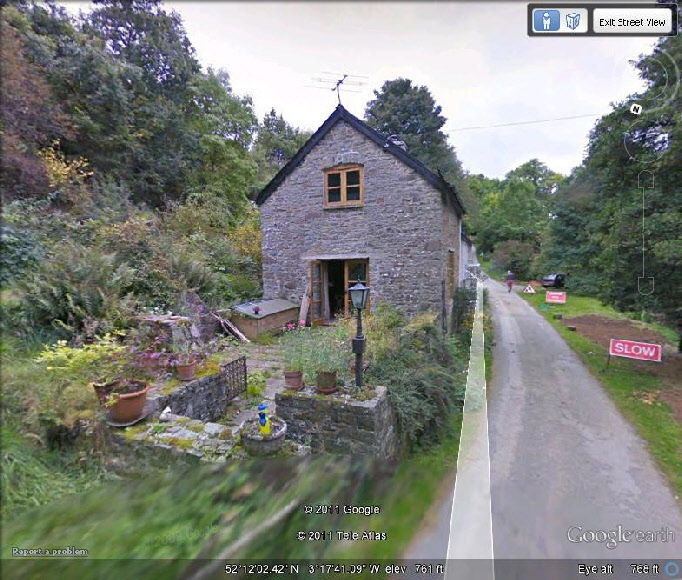
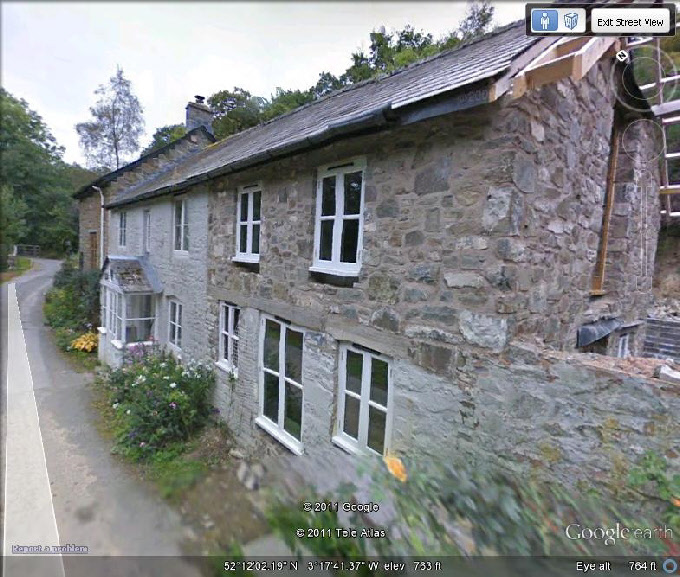
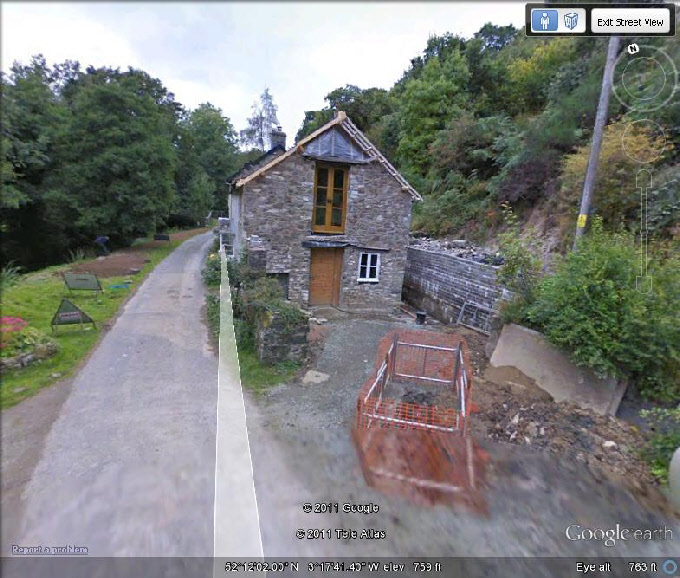
Bettws Mill, Glascwm Parish, Llandrindod Wells, Powys, Wales, UK
a.k.a. “Melin y Busnant;” “Melin Busnant;” “Melin Bussnant;”
“Melin Bisnant;” and “Busnant Mill.”
Bettws Mill was originally constructed to serve as a water powered corn-grist mill
for the farms and estates surrounding Glascwm parish in Radnorshire, Wales. The mill
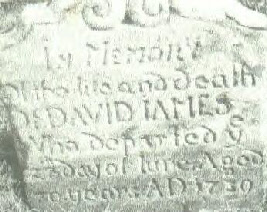
was constructed, owned and operated by James ap David of Llandegley parish in Radnorshire
along with his sons David James and Thomas James, gentlemen and yeomen from prior
to 1637 through 1679. On November 1, 1679, the mill was sold to Samuell Smyth of
Kington Parish in the neighboring county of Hereford. See, Deeds from the Practice
of Messrs. Green & Nixson, record Nos. “R/D/GNX/186-187” and “R/D/GNX/188.” As reported
in Radnorshire Mills by D. Stedman Davies in Volume 10 of Radnorshire Society Transactions
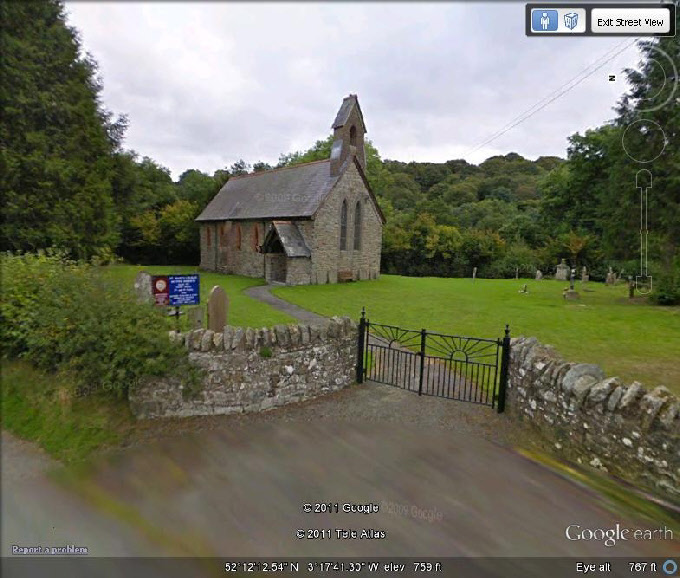
in 1940 on page 53, “Bettws Mill on the river Edw, though only a quarter mile from
Bettws Church, is actually in Glascwm parish. It is not in use now. It was also known
as ‘Melin Bisnant.’”
____________________________________________________________________________________________________
![wp10_wp39d0d8d7[1]-1.png](_wp_generated/wp10_wp39d0d8d7[1]-1.png)
![wp10_wp49a82e55[1]-1.png](_wp_generated/wp10_wp49a82e55[1]-1.png)
![wp10_wpad784a43[1]-1.png](_wp_generated/wp10_wpad784a43[1]-1.png)
![wp10_wpfbe98973[1]-1.png](_wp_generated/wp10_wpfbe98973[1]-1.png)
![wp10_wp00d50912[1]-1.png](_wp_generated/wp10_wp00d50912[1]-1.png)
![wp10_wp1387ad45[1]-1.png](_wp_generated/wp10_wp1387ad45[1]-1.png)
![wp10_wp5e41c6bd[1]-1.png](_wp_generated/wp10_wp5e41c6bd[1]-1.png)
![wp10_wp4efebdb4[1]-1.png](_wp_generated/wp10_wp4efebdb4[1]-1.png)